

Actos
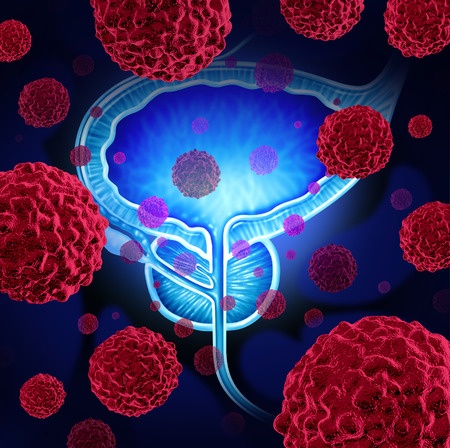
Actos is a medication used to lower blood sugar levels in people with Type 2 diabetes. However, the drug has been linked to a number of serious complications, including an increased risk of bladder cancer and heart failure.
What is Actos?
Actos (pioglitazone hydrochloride) belongs to a class of Type 2 diabetes medications called thiazolidinediones. These drugs lower insulin resistance in muscle and fat and reduce glucose produced by the liver. Other medications that contain pioglitazone include:
- Actoplus Met (pioglitazone and metformin)
- Actoplus Met XR (pioglitazone and metformin)
- Duetact (pioglitazone and glimepiride)
Actos was launched in 1999 by Takeda Pharmaceuticals and Eli Lilly & Co. In 2010, one year before it lost patent protection, U.S. sales for Actos reached $3.58 billion. It was once Takeda’s best-selling medication, accounting for 27% of the company’s revenue.
Actos and Bladder Cancer
- June 2011: The U.S. Food & Drug Administration (FDA) issued a safety alert to warn of a potential association between long-term use of Actos and bladder cancer. The alert followed the release of five-year interim results from 10-year study conducted by Takeda indicating that extended use of the drug doubled the risk of developing the disease. The FDA alert noted that new information regarding a possible increased risk of bladder cancer would be added to the “Warning and Precautions” section of the Actos label, as well as other diabetes medications that contain pioglitazone.
- June 2011: Regulators in France and German ban Actos because of findings linking the drug to an increased risk of bladder cancer.
- April 2012: The Actos label in Canada is revised to reflect a potential risk of bladder cancer.
- December 2016: The FDA announced that a new review had failed to rule out an association between Actos and an increased risk of bladder cancer. Read More
Actos and Heart Failure
The Actos label includes a Black Box Warning – the most urgent safety notice – regarding a potential association with congestive heart failure. The medication is also not recommended for patients with symptomatic heart failure or stage III or IV heart failure, as thiazolidinediones are known to worsen these conditions.
Actos Lawsuit Settlement
Thousands of plaintiffs have filed Actos lawsuits over the drug’s alleged association with bladder cancer, most of which were centralized in a federal multidistrict litigation located in the U.S. District Court, Western District of Louisiana.
- April 2015: Takeda agreed to fund a $2.37 billion Actos settlement to resolve the bladder cancer litigation. Eligible plaintiffs include Type 2 diabetes patients who were prescribed an Actos medication, including Actos, ACTOplus Met, ACTOplus Met XR, or Duetact, prior to December 1, 2011, and who were diagnosed with bladder cancer prior to April 28, 2015. Media reports indicated that the accord could provide each eligible plaintiff with a payment of more than $296,000.However, the amount could be reduced depending on certain factors, including age, smoking history and exposure to toxins. Read More
- September 2015: The Actos bladder cancer settlement is finalized, after 96% of eligible claimants agree to the accord.
- FDA (2011) http://www.accessdata.fda.gov/drugsatfda_docs/label/2011/021073s043s044lbl.pdf “Actos Prescribing Information”
- FDA (2011) “FDA Drug Safety Communication: Update to ongoing safety review of Actos (pioglitazone) and increased risk of bladder cancer” http://www.fda.gov/Drugs/DrugSafety/ucm259150.htm
- CBS News (2011) “Actos banned in Europe after diabetes drug tied to cancer” http://www.cbsnews.com/news/actos-banned-in-europe-after-diabetes-drug-tied-to-cancer/
- Health Canada (2012) “ACTOS (pioglitazone hydrochloride) – Potential Association with Bladder Cancer – For Health Professionals” http://www.healthycanadians.gc.ca/recall-alert-rappel-avis/hc-sc/2012/15854a-eng.php
- FDA (2007) “Manufacturers of Some Diabetes Drugs to Strengthen Warning on Heart Failure Risk” http://www.fda.gov/NewsEvents/Newsroom/PressAnnouncements/2007/ucm108966.htm
- FiercePharma (2015) “Takeda gets enough takers to complete $2.3B Actos settlement” http://www.fiercepharma.com/story/takeda-gets-enough-takers-complete-23b-actos-settlement/2015-09-14

Get the latest news and litigation updates about this case by following us on Facebook. Click the "Like" button below.
Follow Us


